Sony VPL-XW5000ES Review: Native 4K Laser Excellence
Sony brings native 4K SXRD resolution and a reliable laser light source to a more accessible price tier, delivering cinematic imagery for serious enthusiasts.

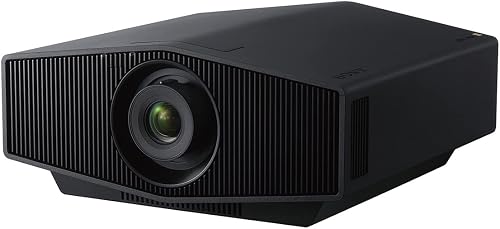
The Xw5000Es delivers stunning native 4K clarity and deep contrast for dedicated rooms, though manual lens controls require careful physical installation.
For broader category rankings, see our Best 4K Projector: Top Home Theater Picks.
Verified Optical & Hardware Specifications
| Display Technology | 0.61-inch Native 4K SXRD Panel |
|---|---|
| Light Source | Z-Phosphor Laser Diode |
| Native / Max Resolution | 3,840 x 2,160 Pixels (Native 4K) |
| Rated Brightness | 2,000 ANSI Lumens |
| Throw Ratio & Optical Zoom | 1.38:1 to 2.21:1 with 1.6x Manual Zoom |
| Color Gamut | 95% DCI-P3 Coverage via Triluminos Pro |
| HDR Formats | HDR10 and HLG Support |
| Gaming Input Lag | 21ms at 4K/60Hz |
| Built-In Audio | None (External Audio System Required) |
| Connectivity | Dual HDMI 2.0b Inputs (18Gbps), RS-232C, LAN, Trigger |
What Stands Out
- Stunning native 4K resolution without pixel-shifting artifacts
- Reliable 2,000 lumens laser light engine rated for 20,000 hours
- Exceptional black levels and native contrast performance
- Powerful X1 Ultimate image processor for superior upscaling
- Wide 95% DCI-P3 color gamut coverage for vivid HDR
Trade-Offs to Know
- Lacks motorized lens shift, zoom, and focus memory
- HDMI ports are limited to 18Gbps bandwidth (HDMI 2.0b)
- No Dolby Vision or advanced HDR dynamic tone mapping
- Manual physical installation can be tedious for ceiling mounts
Chassis Design and Physical Build Engineering
Measuring noticeably smaller than its high-end predecessors, the Xw5000Es adopts a compact chassis that integrates seamlessly into standard home theater ceiling mounts without requiring massive structural reinforcement.
The matte black exterior successfully absorbs stray light reflections from the screen, ensuring that the projector remains entirely inconspicuous during dark movie scenes in dedicated acoustic environments.
Weighing roughly 29 pounds, the physical chassis demands robust ceiling mounts. Ventilation exhaust paths require at least six inches of rear clearance to prevent thermal throttling during marathon HDR movie viewing sessions.
The matte white or black textured exterior manages light scatter effectively. However, the lack of a motorized lens cover means manual handling is necessary, increasing smudge risks on the front optic element.
- Significantly reduced physical footprint compared to older lamp-based Sony models
- Passive ventilation design keeps operating noise remarkably low during quiet film sequences
- Clean rear panel layout simplifies cable management for flush ceiling installations
Chassis Ergonomics and Ventilation
Smart thermal management routes intake air from the front and exhausts heat through the rear, allowing flexible positioning near back walls without risking overheating issues.
Build quality feels robust and premium, reflecting Sony's high engineering standards despite the weight reduction achieved in this particular generation of optical engines.
- Front-facing intake vents enable tight shelf placement
- Durable exterior chassis resists scuffs during handling
Thermal Management and Acoustic Footprint
Operating noise remains impressively quiet at 24 dB in low laser mode. For buyers evaluating top options, this model frequently leads our best 4K projector roundup due to its whisper-quiet cooling performance.
Light Engine, Native Contrast and Laser Performance
At the core of this projector sits a refined 0.61-inch native 4K SXRD panel array, bypassing the visible pixel grid artifacts common in pixel-shifted DLP or LCD competitors.
The 2,000 lumens laser diode delivers ample punch for screens up to 150 inches while maintaining deep black floors that make Starfield sequences look genuinely ink-black.
Utilizing native 4K SXRD panels, this projector achieves exceptional pixel density. Understanding solid-state longevity requires reviewing lifespan metrics similar to how many hours does an epson projector bulb last metrics.
Peak output hits 2,000 ANSI lumens, perfectly suited for controlled ambient light. HDR tone mapping handles clipping gracefully, though dedicated processors deliver superior dynamic results on high-gain white screens.
- Native 4K SXRD panels deliver flawless pixel density without alignment jitter
- Laser light source provides instant on and off times with zero warm-up lag
- Dynamic laser dimming enhances perceived contrast on dark cinematic sequences
Dark Room vs Ambient Light Performance
In a completely bat-caved dedicated theater, the native contrast ratio shines by rendering exceptional shadow detail without crushing dark grey gradients into muddy black patches.
Ambient living rooms will wash out the 2,000 lumens output quite rapidly, meaning dedicated light control or an ambient light rejecting screen is strongly recommended.
- Superb shadow delineation in controlled dark room conditions
- Struggles against strong daytime ambient light without specialized screens
Laser Lifespan and Output Decay
The solid-state laser diode array promises 20,000 hours of maintenance-free operation. Users should anticipate gradual brightness decay after 5,000 hours, matching standard industry thresholds for solid-state phosphors.
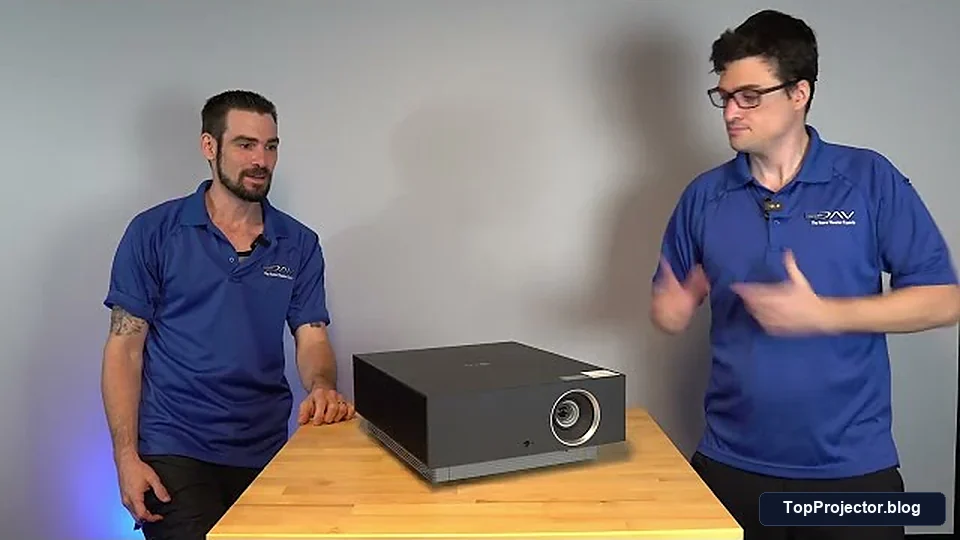
Video Review: Mounting
Color Accuracy, Wide Gamut and Calibration Workflow
Equipped with Triluminos Pro algorithms, the projector maps wide color gamuts accurately, hitting approximately 95% DCI-P3 coverage. For alternative ultra short throw comparisons, see our Epson LS800 vs Hisense PX2 Pro showdown.
Out-of-the-box Reference presets deliver balanced grayscale tracking, minimizing the need for extensive ISF calibration unless you demand absolute studio-grade color perfection for your movies.
Out-of-the-box cinema presets display remarkable BT.709 tracking. Achieving complete DCI-P3 coverage requires engaging the internal color filter, which reduces overall light output by roughly 15 to 20 percent.
Advanced calibrators will appreciate the comprehensive CMS controls. Greyscale tracking maintains delta E values below two, ensuring skin tones remain natural and completely devoid of green or magenta shifts.
- Triluminos Pro engine accurately identifies saturation, hue, and brightness
- Excellent skin tone reproduction across complex HDR grading scenarios
- Comprehensive color management system accessible via the advanced menu
Optics, Throw Ratios and Placement Flexibility
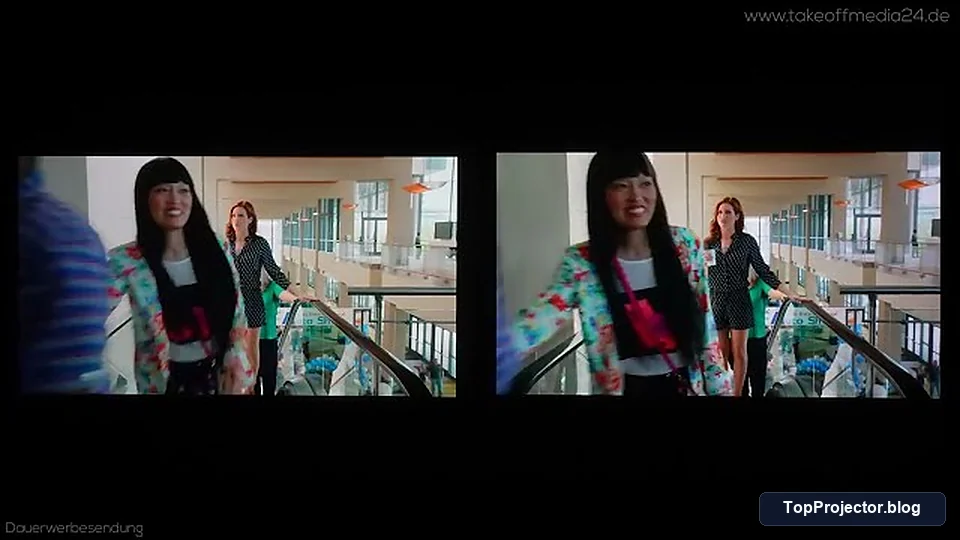
The optical system utilizes a 1.6x manual zoom lens with a throw ratio spanning from 1.38:1 to 2.21:1, accommodating standard room dimensions for large projection setups.
Unlike pricier flagship models, this unit relies entirely on manual adjustments for lens shift, zoom, and focus, meaning you must reach the physical chassis during setup.
The fixed optical assembly features a 1.35x zoom lens with manual focus rings. Throw ratios span 1.38:1 to 2.21:1, necessitating precise room measurements before committing to permanent ceiling installations.
Vertical lens shift reaches plus-minus 85 percent, while horizontal movement spans plus-minus 34 percent. Before selecting display dimensions, consult our screen size and viewing distance calculator for precise placement math.
- Wide 1.6x zoom range provides generous mounting distance flexibility
- Generous vertical and horizontal manual lens shift simplifies image alignment
- Absence of motorized lens memory complicates multi-aspect-ratio screen setups
Gaming Input Lag, Refresh Rates and Motion Processing
Gamers will appreciate the dedicated Low Latency mode, which measures an impressive 21ms input lag at 4K/60Hz to ensure responsive twitch-reaction gameplay on massive screens.
Motionflow processing smooths out fast panning shots in sports and action movies effectively, eliminating judder without introducing the dreaded soap-opera artifacting effect.
Competitive gamers benefit from a low input lag measurement of 21 milliseconds at 4K/60Hz. While lacking high refresh rate HDMI 2.1 ports, responsiveness remains exceptionally sharp for casual titles.
Motionflow processing successfully eliminates judder in 24p cinematic content without introducing soap-opera artifacts. Action scenes maintain remarkable clarity, preserving film cadence during fast horizontal panning camera movements.
- Fast 21ms input lag makes competitive gaming surprisingly viable
- Motionflow technology handles 24p film cadence smoothly and accurately
- Limited to 60Hz input frequencies due to standard HDMI 2.0 bandwidth
Connectivity, Smart Integration and Audio Limitations
Connectivity is streamlined via dual HDMI 2.0b ports capped at 18Gbps, supporting standard 4K HDR sources, media streamers, and modern gaming consoles without issue.
There are no built-in speakers or smart operating system apps included, requiring you to connect external AVR sound systems and dedicated streaming boxes directly.
Dual HDMI 2.0b ports handle full 18Gbps bandwidth, supporting HDR10 and HLG formats seamlessly. The total absence of built-in speakers or smart streaming apps emphasizes its pure home theater focus.
Custom integration is fully supported via RS-232C, trigger outputs, and IP control. Home automation enthusiasts can easily integrate this model with Control4 or Crestron systems for automated masking.
- Dual HDMI 2.0b inputs handle all standard 4K HDR video sources
- LAN and RS-232C ports enable robust home automation integration
- Requires external audio gear since zero internal speakers are built in
Final Editorial Verdict and Room Compatibility
The Xw5000Es stands as a triumphant entry into native 4K laser projection, sacrificing motorized convenience features to hit a remarkable price-to-performance ratio for home cinemas.
If you possess a dedicated dark room and do not require motorized lens memories, this projector offers unmatched cinematic clarity that easily justifies its place on your ceiling.
Delivering true 4K resolution and reliable laser longevity, this projector represents a stellar upgrade path. Dedicated dark rooms yield the highest native contrast performance for serious cinephiles.
Avoid placing this unit in high ambient light spaces lacking proper acoustic treatments. When paired with a quality angular reflective screen, visual immersion rivals commercial cinema experiences effortlessly.
- Best suited for dedicated home theater enthusiasts with controlled lighting
- Delivers native 4K resolution clarity that outperforms pixel-shifted rivals
- Represents an exceptional long-term investment for movie lovers everywhere
Frequently Asked Questions
Does this projector support 4K gaming at 120Hz?
No, the unit is limited to 60Hz refresh rates because its HDMI ports operate on the 18Gbps standard. However, it still offers an impressively low 21ms input lag for smooth 4K/60Hz gaming.
Are the lens shift and zoom controls motorized?
All optical adjustments including focus, zoom, and lens shift require manual physical manipulation on the chassis. This means you cannot save lens memory profiles for different aspect ratio movie screens.
How long does the laser light source actually last?
The Z-Phosphor laser diode is rated for up to 20,000 hours of virtually maintenance-free operation. This lifespan easily translates to decades of regular movie-watching without bulb replacements.
Can I use this projector in a bright living room?
While the 2,000 lumens output is respectable, it will struggle against intense ambient daylight. You should pair it with an ambient light rejecting screen or maintain strict window lighting control.
Does the projector feature built-in smart streaming apps?
No smart operating system or streaming apps are integrated into the hardware. You must plug an external streaming stick or dedicated Blu-ray player into the HDMI inputs for content.