Epson Ls11000 vs. Ls12000: Which Wins for Your Room?
These laser projectors share striking architectural DNA, yet subtle optical tweaks create distinct advantages. Choosing the right model hinges on your ambient light management and desired black floor depth.
Opt for the Epson LS12000 if you demand ultimate shadow depth and higher contrast in a dedicated theater. Select the LS11000 to save budget while retaining identical 4K pixel-shifting resolution and sharpness.
Compare full category rankings in our Best Mini Projector For Bedroom: Top Picks (2026 Guide).
Side-by-Side Specification Breakdown
| Criteria | Epson Ls11000 | Ls12000 | Edge |
|---|---|---|---|
| Ambient Light Rejection | Moderate | Moderate | Tie |
| Black Levels & Perceived Contrast | 1,200,000:1 Dynamic | 2,500,000:1 Dynamic | Epson Ls12000 |
| Peak Brightness & HDR Punch | 2,500 ANSI Lumens | 2,700 ANSI Lumens | Epson Ls12000 |
| Screen Size & Immersion | Up to 300 inches | Up to 300 inches | Tie |
| Viewing Angles & Uniformity | Excellent 3LCD Panel | Excellent 3LCD Panel | Tie |
| Gaming Motion & Input Lag | Under 20ms at 4K/60Hz | Under 20ms at 4K/60Hz | Tie |
| Room Setup & Maintenance | Motorized Lens Shift | Motorized Lens Shift | Tie |
Optical Engine and Brightness Output Comparison
Both systems utilize advanced laser tech to eliminate bulb changes. To determine what output fits your space, test our interactive ansi lumens room calculator before buying. They deliver stable Rec.709 color saturation reliably.
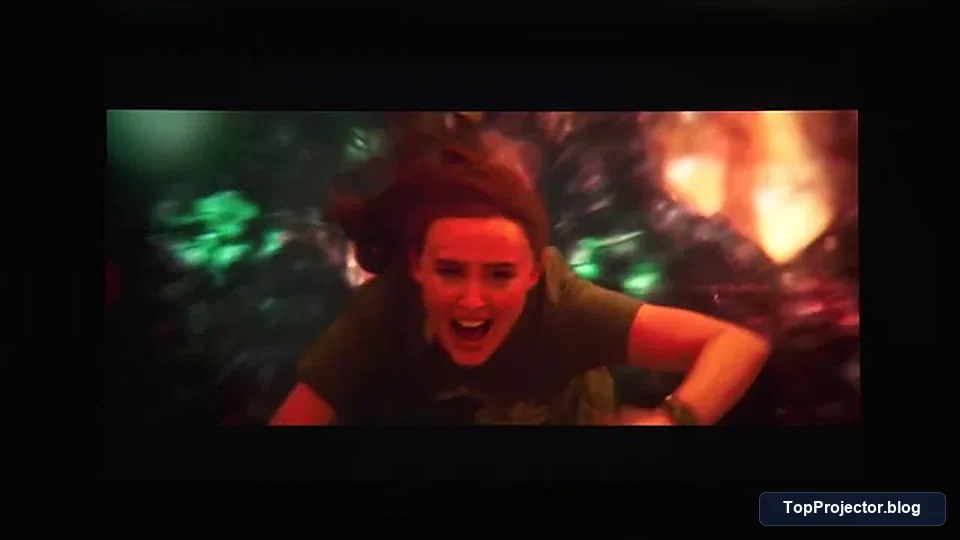
The slight edge in rated output for the higher model helps punch through minor ambient interference. However, both units rely on precisely calibrated cinema modes to maintain reference Rec.709 tracking without sacrificing vital white luminance output.
Laser diode longevity remains identical across both variants, offering roughly 20,000 hours of maintenance-free operation. This ensures long-term optical stability whether you install the unit in a media room or a dedicated basement theater.
- Reliable 20,000-hour laser diode lifespan on both units
- Epson 3LCD architecture entirely prevents rainbow artifacts
- Motorized zoom, focus, and lens shift simplify geometry calibration
Evaluating Output in Living Rooms Versus Theaters
Operating in spaces with controlled lighting allows both projectors to shine with exceptional color fidelity. The modest 200-lumen difference is barely noticeable outside of oversized screen setups exceeding 150 diagonal inches.
Pairing either machine with a high-gain angular reflective screen optimizes perceived brightness during afternoon viewing sessions. Dedicated dark rooms will easily extract reference-grade performance from either optical chassis.
- LS12000 holds a minor 200 ANSI lumen advantage
- Both handle screens up to 300 inches effortlessly
Black Levels, Dynamic Contrast and Shadow Depth
Contrast performance represents the primary hardware differentiator between these two precision home theater offerings. The LS12000 features a refined optical aperture and laser modulation yielding 2,500,000:1 dynamic contrast, doubling its sibling's spec.
Shadow detail in dark cinematic sequences appears noticeably richer and more three-dimensional on the LS12000. Viewers watching in bat-cave environments will immediately spot the deeper ink-black floors during challenging night scenes.
The LS11000 outperforms many lamp competitors, though outdoor models require completely different metrics as outlined in our guide on how many lumens for an outdoor projector. Choosing the LS12000 guarantees superior native contrast performance.
- LS12000 features double the rated dynamic contrast ratio
- Deep shadow rendering is superior on the flagship model
- Both utilize advanced scene-adaptive laser dimming algorithms
Cinematic Performance in Pitch-Black Environments
In completely dark rooms, the enhanced native black floor of the LS12000 prevents starfields from looking washed out. This optical refinement gives space epics and noir films an unmistakably film-like presentation quality.
While the LS11000 remains remarkably capable, switching back and forth reveals subtle gray wash in extreme low-light transitions. Serious enthusiasts prioritize this distinction for ultimate immersion.
- Total darkness highlights the contrast gap
- Black floor depth benefits cinematic immersion
Color Accuracy, Wide Gamut and HDR Processing
Both projectors incorporate proprietary image processing chips capable of handling 4K HDR10 and HLG content flawlessly. They automatically map high dynamic range metadata to match your current screen size and gain.
Color volume covers the DCI-P3 color space comprehensively when engaging the internal cinematic filter. Skin tones appear exceptionally natural and balanced without requiring extensive ISF calibration software.
HDR punch is robust on both units, though the LS12000 leverages its higher contrast ceiling for better specular highlights. Explosions and neon reflections pop with vivid realism against dark background elements.
- Full DCI-P3 color gamut coverage via internal filters
- Robust HDR10 and HLG metadata auto-mapping
- Natural skin tones without aggressive green pushing
Tone Mapping Fidelity for Modern 4K Discs
Handling demanding 4K Blu-ray transfers requires sophisticated tone mapping to avoid clipped highlights. Both projectors process difficult nit levels efficiently, keeping bright clouds and sunlit surfaces rich in subtle textural detail.
Advanced manual sliders allow experienced calibrators to fine-tune white clipping points according to individual screen materials. This flexibility ensures optimal tone tracking across diverse projection surfaces.
- Fine-grain manual tone mapping controls
- Preserves delicate highlight details in bright scenes
Gaming Performance, Motion Handling and Input Lag
Modern console and PC gamers will find identical, highly competitive latency specifications on both systems. Input lag measures under 20 milliseconds at 4K/60Hz, ensuring responsive controls during fast-paced competitive gameplay sessions.
Motion interpolation powered by Epson's frame creation processor smooths out judder on 24fps cinematic content effectively. Gamers can disable these motion enhancements instantly to minimize latency during twitch-reaction titles.
Rapid panning shots across virtual landscapes remain sharp and free of distracting artifacts or smearing. This makes both units fantastic centerpieces for massive immersive gaming dens and media rooms.
- Sub-20ms input lag keeps fast action responsive
- Smooth motion interpolation for cinematic content
- Crisp 4K pixel-shifting preserves fine HUD details
High-Refresh Rate Console and PC Integration
Connecting modern gaming hardware via HDMI 2.1 ports unlocks stable bandwidth for high framerate signals. Both projectors handle demanding visual loads without dropping frames or introducing disruptive visual tearing.
Immersive RPGs and sprawling open-world titles benefit enormously from the massive projected scale and low latency. You get ultra-responsive performance without sacrificing visual fidelity or color depth.
- Full HDMI 2.1 connectivity support
- Flawless handling of high framerate PC inputs
Throw Ratios, Lens Shift and Physical Room Setup
Physical installation flexibility is exceptionally generous on both laser units, rivaling alternatives analyzed in our ViewSonic LX700-4K review. A wide motorized throw ratio of 1.35 to 2.84:1 easily accommodates standard ceiling mounts.
Extensive motorized lens shift allows up to 96 percent vertical adjustment and 47 percent horizontal movement. Installers can dial in perfect image geometry effortlessly without needing digital keystone correction.
Chassis dimensions and weight profiles match completely, requiring sturdy ceiling mounts capable of supporting heavy optical hardware. Fan acoustics remain remarkably quiet even during intensive laser power modes and hdr processing tasks.
- Generous 1.35-2.84:1 motorized throw ratio
- Extensive vertical and horizontal lens shift range
- Whisper-quiet fan acoustics during operation
Optimizing Throw Distance for Large Screens
Calculating precise throw distances ensures you fill your chosen acoustically transparent screen completely. The flexible zoom range prevents installation headaches in rooms with awkward architectural ceiling constraints and fixed structural joists.
Professional installers appreciate the motorized focus memory presets when switching between various aspect ratios. This ensures crisp edge-to-edge sharpness across custom cinemascope screens.
- Flexible placement in restrictive rooms
- Motorized focus memory for aspect ratio changes
Ambient Light Handling and Living Room Suitability
If you prefer a smaller footprint for casual spaces rather than these large systems, review our best mini projector for bedroom guide. Otherwise, proper light control remains essential for maintaining rich ANSI contrast ratios.
The LS12000's slight brightness bump gives it a tiny edge when fighting reflections off light-colored walls. However, dedicated light-controlled environments remain the ideal habitat for maximizing their optical contrast capabilities.
Matte white or gray screens with low gain perform admirably when paired with dark theater room decor. Careful room preparation unlocks the true cinematic potential of these laser flagships.
- Requires controlled lighting for best results
- Pairs well with ambient light rejecting screens
- Matte surfaces preserve accurate color tracking
Controlling Reflections in Dedicated Theater Spaces
Dark velvet wall treatments and dark ceilings eliminate light bounce to preserve native black levels. Both models benefit enormously from this meticulous room design because stray reflections degrade perceived contrast ratios.
Investing in proper room acoustics and light absorption yields a vastly superior home theater experience. Your chosen projector will deliver reference image quality once room light contamination is eliminated.
- Dark wall treatments preserve contrast
- Eliminating light bounce maximizes black depth
Final Buying Decision and Value Proposition
Deciding between these two impressive models comes down to evaluating your specific viewing environment. If your room is a pitch-black dedicated theater, the LS12000 justifies its premium through superior black floor performance.
If your budget is tighter or your room features ambient light, the LS11000 delivers identical sharpness and color. You retain the exact same lens flexibility, input lag, and core laser engine reliability.
Ultimately, both machines represent pinnacle achievements in consumer projection technology without relying on lamp bulbs. Select the model that matches your room's contrast potential for maximum cinematic enjoyment.
- LS12000 is best for dark dedicated theaters
- LS11000 offers identical sharpness and core features
- Both provide exceptional long-term laser reliability
Making the Final Choice for Your Home Theater
Assess your room's baseline darkness before pulling the trigger on either high-end laser projector model. Audiophiles and dedicated cinephiles will appreciate the LS12000's refined dynamic contrast during late-night viewing sessions.
Casual movie enthusiasts and mixed-use media room owners will find immense value in the capable LS11000. Both options deliver stunning large-format imagery that rivals commercial cinema houses.
- Match projector capabilities to room darkness
- Both deliver stunning large-format imagery
Frequently Asked Questions
What is the primary difference between the Epson LS11000 and LS12000?
The main distinction lies in dynamic contrast and peak brightness capabilities. The LS12000 offers higher contrast and slightly more lumens for deep theater blacks.
Do both projectors support native 4K resolution input signals?
Both models utilize advanced 4K pixel-shifting technology to render razor-sharp images. They accept native 4K content flawlessly and process high framerates via HDMI 2.1 ports.
Are these projectors suitable for competitive gaming rooms?
Yes, both feature ultra-low input lag measuring under 20 milliseconds at 4K. This ensures responsive controls and smooth motion handling during fast-paced gaming sessions.
How long do the laser light sources last before needing service?
Both optical engines feature rated laser diode lifespans of approximately 20,000 hours. This provides years of virtually maintenance-free operation without ever needing expensive lamp replacements.
Can I install these projectors easily in rooms with awkward layouts?
Both units include generous motorized zoom, focus, and lens shift capabilities. Installers can easily calibrate image geometry without needing distorting digital keystone correction.